

Does it feel like your skin has a mind of its own? One day it looks smooth and even and the next, it flushes, itches, or feels uncomfortably tight after applying a product or stepping outside. This unpredictability may indicate reactive skin, a condition that affects how your skin responds to everyday triggers. For anyone navigating skincare routines or exploring new products, learning to recognize these signs and causes allows you to care for your skin confidently, avoiding unnecessary discomfort and maintaining its natural balance.
What is Reactive Skin?
Reactive skin is highly sensitive to stimuli that usually do not affect normal skin. A weakened skin barrier allows irritants to penetrate and moisture to escape, which can cause redness, burning, dryness, or itching.
This condition is different from occasional irritation. Reactions are often consistent and can appear in response to multiple triggers. Understanding how reactive skin functions makes it easier to choose products and routines that prevent flare-ups.
Symptoms of Reactive Skin
The signs of reactive skin vary, but common symptoms include redness, stinging, tightness and dryness. Flare-ups may appear after environmental changes, such as moving from a cold room to a warm one, or after using a new skincare product. Occasional swelling or increased sensitivity to products that normally do not cause irritation can also occur.
-
Redness or blotches appearing quickly after contact with a product
-
Stinging or burning sensations that last several minutes
-
Dry, flaky patches developing over time
Types of Reactive Skin
Reactive skin manifests in different forms, depending on the cause.
Environmentally reactive skin responds to temperature changes, wind, sun exposure, or pollution. Redness and tightness are common after being outdoors or moving between different climates.
Product-sensitive skin reacts to specific skincare or cosmetic ingredients, often including fragrances, preservatives, or alcohol-based formulas. Testing new products on a small patch before full application reduces the risk of reactions.
Combination reactive skin is sensitive to both environmental and product triggers, meaning reactions may appear unpredictably. Physiologically reactive skin occurs when the skin barrier is naturally weaker. Even without clear external triggers, redness, dryness, or discomfort can appear. Hormonal changes, diet and stress can make these reactions more noticeable.
Factors That Increase Skin Reactivity
Several elements can increase the likelihood of reactions. Genetics and naturally thin or dry skin raise vulnerability, while hormonal fluctuations affect skin sensitivity. Overuse of harsh products or frequent exfoliation weakens the skin barrier further. Environmental factors, including pollution, extreme temperatures and UV exposure, can trigger flare-ups. Lifestyle factors like stress, diet and sleep quality also play a role.
Caring for Reactive Skin
Managing reactive skin involves protecting the skin barrier and reducing exposure to irritants. Use gentle, fragrance-free cleansers and moisturizers and avoid harsh scrubs, strong acids, or over-exfoliation. Introduce new products gradually while monitoring how your skin responds.
Protecting your skin from extreme weather and UV exposure is essential. Supporting overall health through hydration, balanced nutrition and stress management also contributes to skin resilience.
-
Use gentle, fragrance-free products
-
Introduce new products gradually
-
Protect skin from extreme weather and UV
-
Maintain hydration, nutrition and stress balance
Consider adding the following products as part of your skincare routine, if your skin shows the above signs and symptoms;
Top Skincare Recommendations for Reactive Skin
COSRX Advanced Snail 96 Mucin Power Essence 
This nutrient-rich essence is gentle yet highly effective for reactive skin. Its filtered snail mucin deeply hydrates while improving skin texture and fading dark spots. Regular use can soothe damaged skin, enhance luminosity, and provide anti-aging benefits, making it ideal for skin that reacts easily to dryness or irritation.
Simple Refreshing Facial Wash 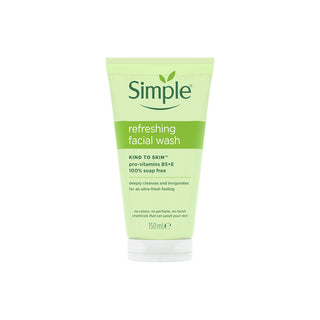
A gentle cleanser suitable for sensitive skin, this facial wash removes impurities without stripping natural moisture. Its vitamin-rich formula, including Pro-Vitamin B5 and Vitamin E, nourishes while protecting the skin from environmental stressors. With balanced pH and a non-irritating formulation, it is perfect for maintaining comfort and hydration in reactive skin.
Cetaphil Daily Hydrating Lotion for Normal to Very Dry Skin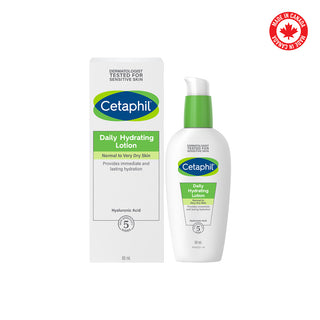
This lightweight lotion strengthens the skin barrier while providing up to 48 hours of hydration. With niacinamide, panthenol, and glycerin, it soothes sensitivity, improves texture, and restores moisture balance. Clinically proven and dermatologist-tested, it is suitable even for delicate or reactive skin types.
Numbuzin No.5+ Glutathione Vitamin Dark Spot Cream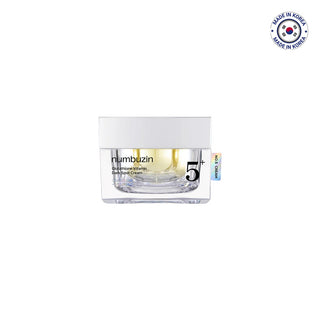
Targeting dark spots and uneven tone, this cream combines glutathione, vitamin C, niacinamide, and antioxidants to brighten and restore the skin barrier. Lightweight and non-comedogenic, it works effectively on reactive or acne-prone skin without irritation, helping fade post-acne marks and cumulative sun damage while enhancing overall radiance.